Smart Trapping Strategies to Deal with Mice Behind Drywall
The Best Way to Get Rid of Mice in Walls
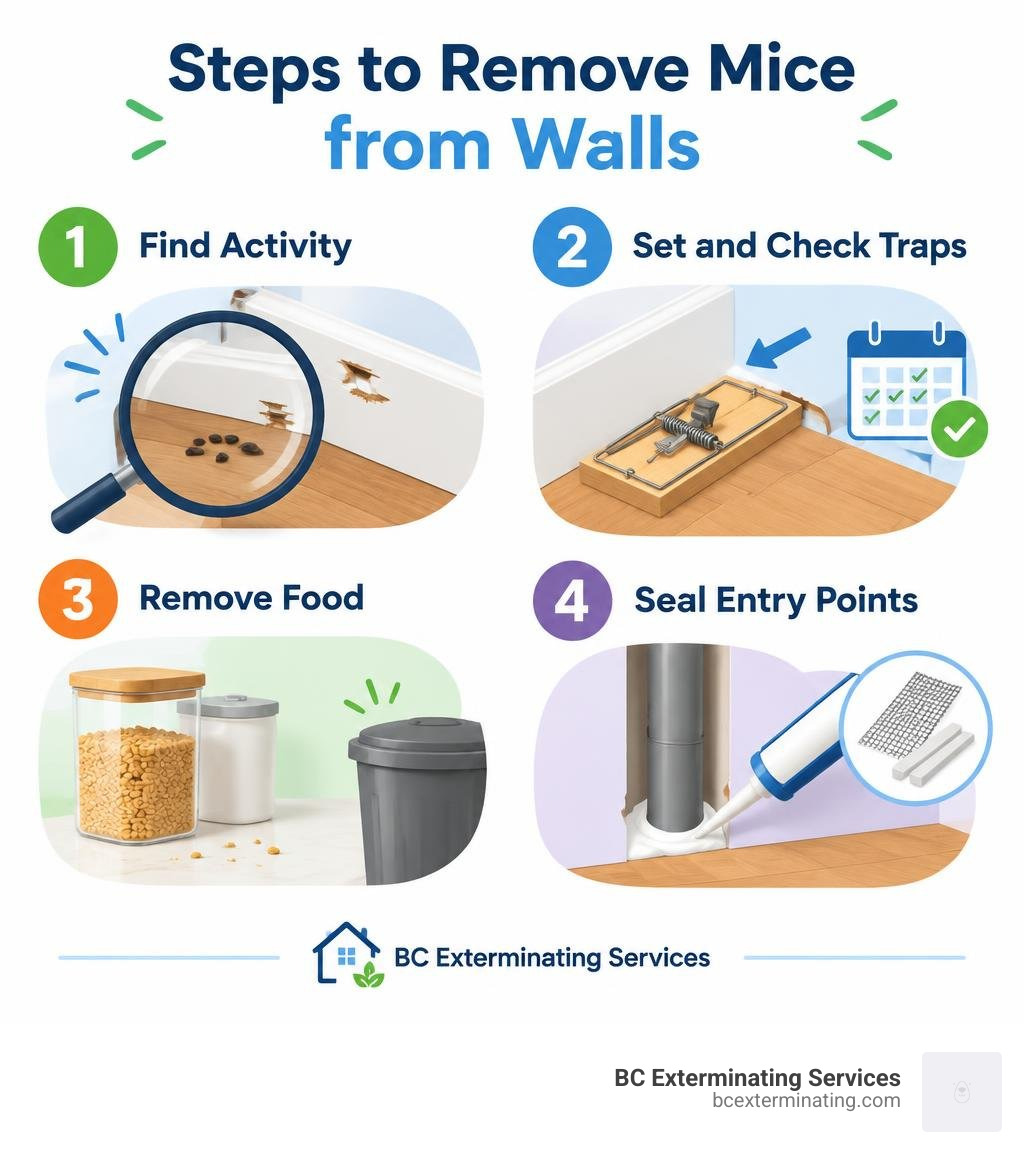
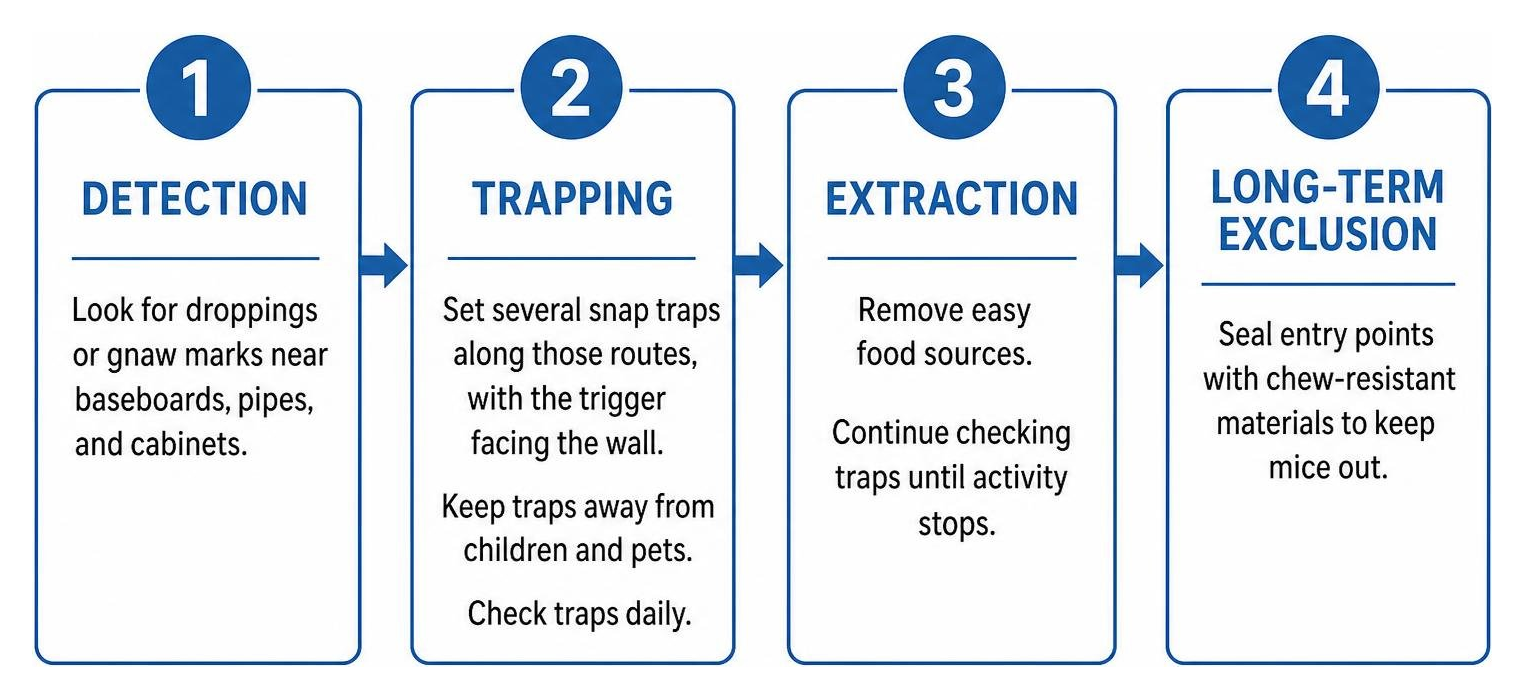
Trap mice where they leave the walls, then seal the gaps that let them in. Look for droppings or gnaw marks near baseboards, pipes, and cabinets. Set several snap traps along those routes, with the trigger facing the wall. Keep traps away from children and pets, check them daily, and remove easy food sources. Once activity stops, seal entry points with chew-resistant materials.
Avoid poison in wall cavities: a mouse may die out of reach and leave a lasting odor. If scratching continues or you cannot find the entry points, call a pest control professional.
Recognizing the Signs and Causes of Mice in Wall Cavities
Hearing tiny footsteps or persistent scratching behind your drywall late at night can be unsettling. Wall cavities serve as the ultimate rodent superhighway: they are warm, dark, predator-free, packed with insulating nesting material, and provide unobstructed vertical travel between your basement, kitchen, and attic.
To determine whether rodents have established a home in your wall framing, look for these telltale indicators:
Nocturnal Scratching and Scuttling: Mice are primarily active during the night. If you hear light rustling, gnawing, or scampering inside wall partitions, you likely have unwanted tenants.
Fresh Droppings: Pointed, pellet-shaped, and roughly the size of a grain of rice (3 to 6 mm), droppings are dark and shiny when fresh, turning dull and chalky over time. You will commonly spot them along baseboards, beneath sinks, or inside lower cabinets adjacent to infested walls.
Oily Rub Marks: Mice have oily fur. As they repeatedly travel along baseboards and through small drywall gaps, they leave dark, greasy smudge tracks along their runways.
Gnaw Marks and Damaged Material: Rodents must constantly chew to keep their open-rooted incisors worn down. You may notice shredded fiberglass insulation, chewed baseboard corners, or frayed cardboard.
Understanding rodent biology explains why quick intervention is essential. According to public health data on The House Mouse, an adult house mouse (Mus musculus) weighs only about 15 grams (roughly half an ounce) and measures around 8 cm in length. Despite their small stature, their reproductive output is staggering. A single female produces between 6 to 10 litters in her one-year lifespan, averaging 6 pups per litter. Within weeks, those pups reach maturity, meaning a single nesting pair can trigger an exponential population boom behind your drywall.
Furthermore, mice can squeeze their flexible bodies through openings as small as a dime (roughly 1 cm or a quarter-inch). Once inside, they typically forage within a tight radius—traveling only 10 to 30 feet from their nest—making up to 30 separate feeding trips each night. By exploiting their daily foraging routines, you can strategically eliminate them before their numbers multiply.
Step-by-Step: The Best Way to Get Rid of Mice in Walls
Eliminating rodents inside wall cavities does not require knocking down large sections of drywall. Instead, our professional protocol focuses on drawing mice out of the void toward targeted control points along interior perimeters.
Here is our step-by-step methodology:
Map the Activity Zones: Spend an evening listening to pinpoint where the scratching sounds originate. Inspect baseboards, sink vanity kickplates, and utility lines directly beneath those wall cavities for droppings and grease smudges.
Eliminate Competing Food Sources: A mouse making dozens of nocturnal foraging trips will ignore traps if your pantry contains accessible grain, pet food, or crumbs. Store all food in airtight glass, metal, or heavy-duty plastic bins, and wipe down cooking surfaces nightly.
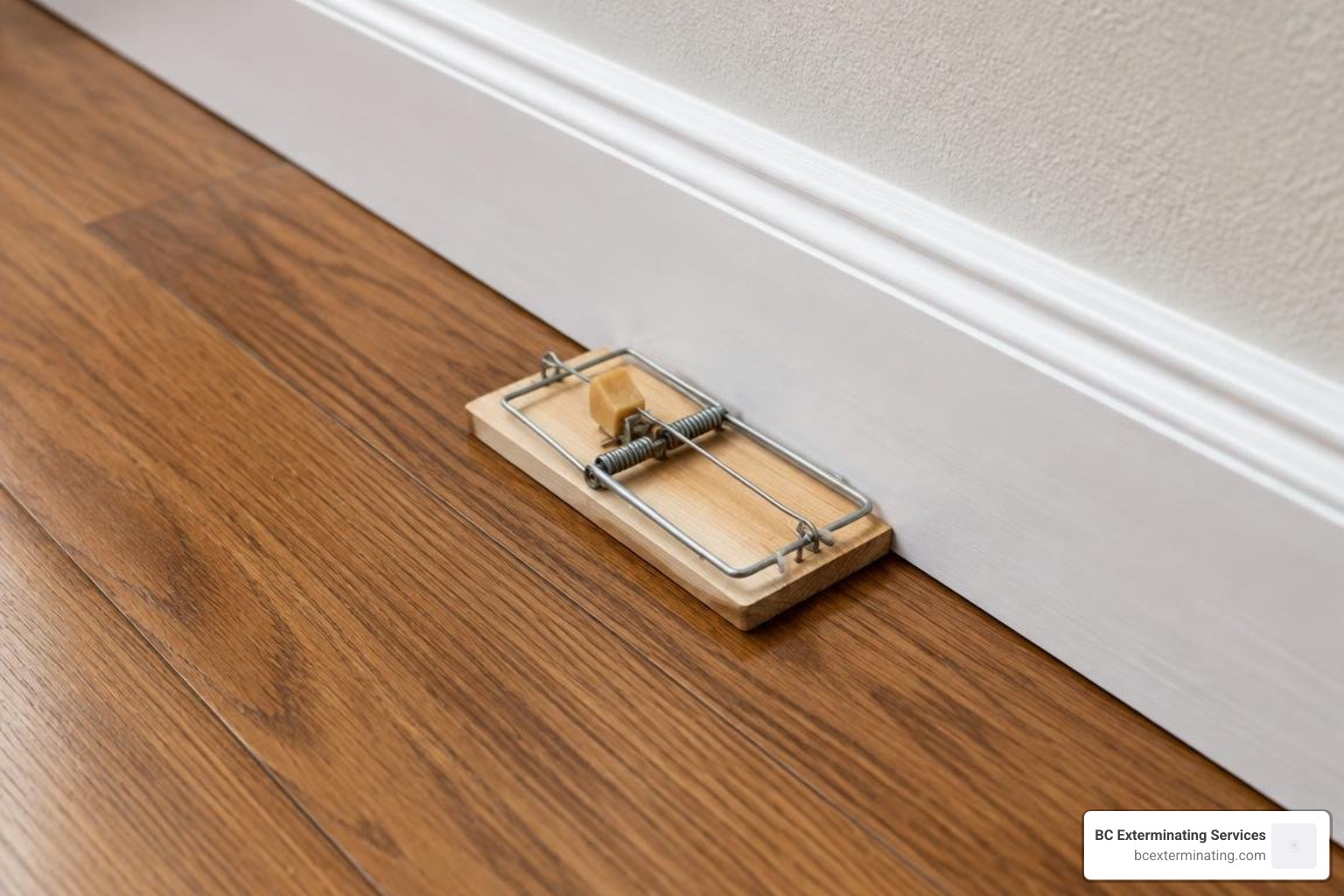
Deploy Traps Along Structural Runways: Place mechanical or electronic traps flat along baseboards where walls meet floors. Mice rely on their whiskers (vibrissae) for navigation and rarely run across open rooms, preferring to hug wall perimeters.
Angle the Traps Correctly: Place traps perpendicular to the baseboard with the baited trigger facing directly toward the wall. If placing traps parallel, set them back-to-back in pairs so a mouse approaching from either direction encounters a trigger.
Monitor and Refresh Baits Daily: Check every trap morning and evening. If a trap has not caught a mouse after 2 to 3 days, clean it, re-bait it, and move it 5 to 10 feet along the baseboard toward fresh signs of activity.
Trap Type
Best Use Case
Advantages
Safety Considerations
Expanded-Trigger Snap Trap
High-traffic baseboard runways
Inexpensive, highly reliable, provides physical containment of carcass
Keep out of reach of curious pets and toddlers; place inside bait stations or PVC tunnels
Electronic Kill Trap
Dry indoor utility rooms and pantries
Delivers a high-voltage shock for a 100% humane kill rate; fully enclosed
Safe around pets; requires fresh batteries and dry environments
Multi-Catch Live Trap
Low-to-moderate infestations
Non-lethal; captures multiple mice in one setting without chemical hazards
Requires checks every 8 to 12 hours to prevent animal distress and dehydration
Why Trapping Is the Best Way to Get Rid of Mice in Walls Without Poison
Using rodenticides inside a home might seem like a simple fix, but placing poison blocks in or near walls is one of the most problematic mistakes a homeowner can make.
When a mouse consumes a lethal dose of rodenticide bait, it does not die instantly; mortality typically takes 1 to 2 days. During that window, the sickened mouse naturally retreats to the deepest, warmest, most secure refuge it knows: deep inside your wall cavity or floor joists.
When a rodent expires behind your drywall:
Severe Odor: The decomposing carcass creates a pungent, nauseating odor that can permeate your living space for two to four weeks.
Secondary Pest Infestations: Decaying tissue attracts blowflies, flesh flies, carpet beetles, and maggots directly into your wall voids.
Secondary Toxicity Risks: If a dying mouse stumbles out into an open room, predatory pets (like cats or dogs) could ingest it, posing secondary poisoning risks.
Mechanical snap traps and high-voltage electronic traps provide immediate physical capture. You retain complete control over carcass disposal, eliminating the risk of hidden decay inside your structure.
Bait Selection and Trap Placement Strategies
Mice are inquisitive, but they are also cautious around new objects. Selecting the right attractant ensures high trap capture rates:
High-Calorie, High-Aroma Pastes: Peanut butter, hazelnut cocoa spread, and seed butter are superior to hard cheese. They emit strong scents, and mice cannot snatch the bait without depressing the trigger mechanism.
Nesting Material Baits: Female mice actively building nests inside wall framing are heavily drawn to soft fibers. Tying a small tuft of cotton ball, yarn, or dental floss securely to the trap trigger can tempt female mice that are ignoring food baits.
Specialty Attractant Gels: Commercial hypoallergenic attractant gels provide long-lasting scent trails without spoiling or melting in warm rooms.
For wall cavities behind kitchen cabinets or drywall partitions where mice refuse to exit into the open room, you can create a localized capture station:
Drill a discrete 1.5-inch inspection hole into the baseboard or lower drywall directly between the framing studs where activity is heard.
Place a baited enclosed snap trap or cardboard catch-box flush against the opening on the floor side.
Cover the exterior of the box with a dark cloth. The mouse will exit through the wall hole directly into the enclosed trap box.
Humane Alternatives: The Best Way to Get Rid of Mice in Walls Naturally
For homeowners who prefer no-kill methods, non-lethal management can be achieved with systematic live trapping and habitat modification. Learn more about effective non-lethal solutions in How to Get Rid of Mice Humanely: No-Kill Methods That Work.
When executing a humane trapping strategy:
Use Catch-and-Release Traps: Multi-catch or single-door live traps should be baited with oatmeal and peanut butter, then placed along active drywall runways.
Check Traps Regularly: Live traps must be checked at least every 8 to 12 hours. Confined rodents experience rapid stress, hypothermia, or dehydration if left unmonitored.
Relocate Responsibly: Release captured mice at least 2 miles away from your home in an appropriate natural habitat with cover, ensuring compliance with local wildlife ordinances.
Understand Repellent Limitations: While peppermint oil cotton balls or cinnamon oils can act as mild, temporary deterrents in confined spaces, they will not drive an established nesting population out of wall cavities. Similarly, independent testing shows ultrasonic plug-in devices provide negligible long-term deterrence because rodents quickly acclimate to repetitive sound frequencies. Repellents should only supplement physical exclusion, not replace it.
Safe Extraction: How to Remove Dead Mice from Wall Cavities
If a rodent has died inside your wall—whether from legacy poison use or natural causes—prompt extraction is necessary to restore air quality and eliminate secondary insect infestations.
Follow this safe extraction protocol:
Pinpoint the Location: Use your nose to locate the section of drywall with the strongest odor. Often, the smell is concentrated near electrical outlet boxes, switch plates, or baseboard seams.
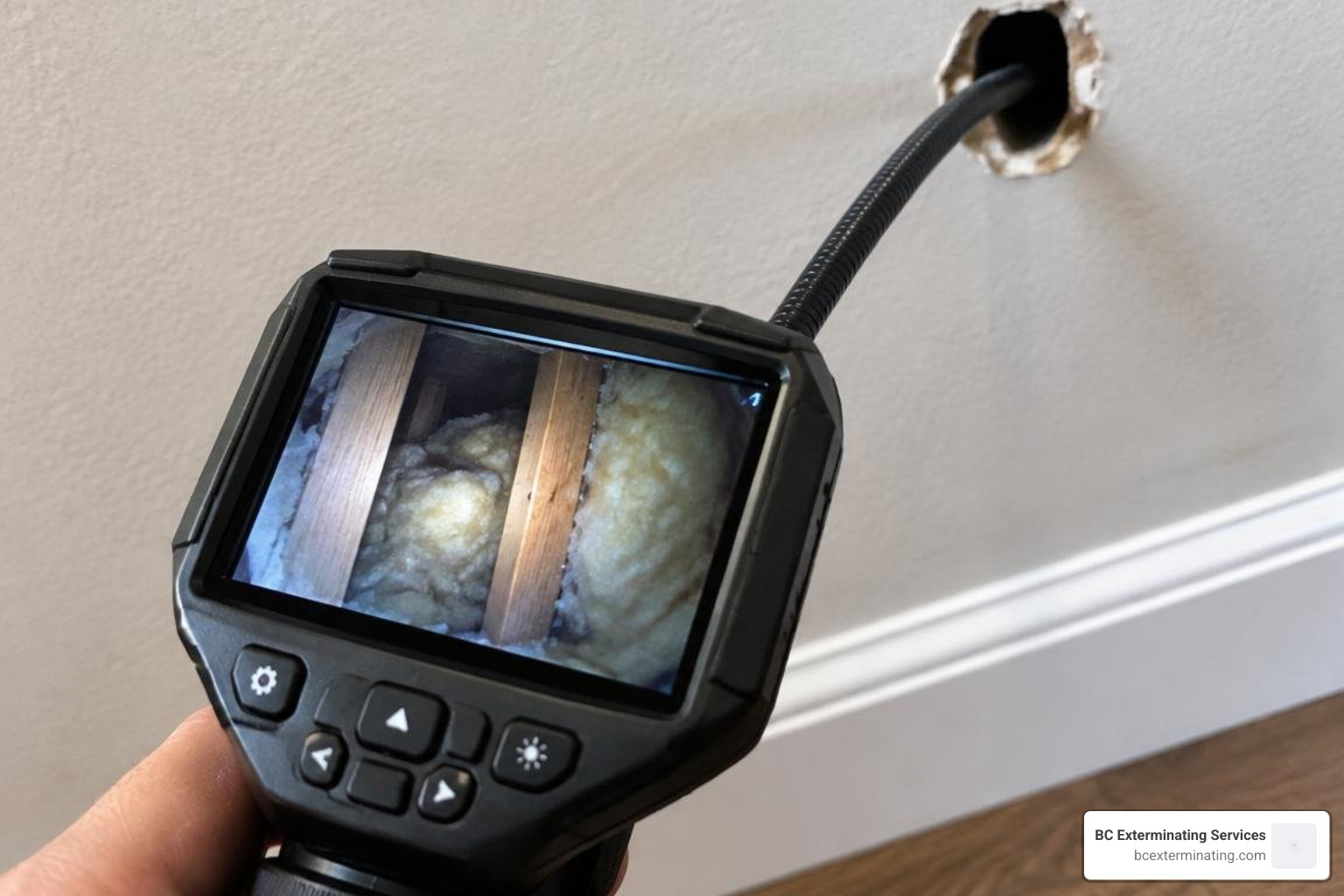
Inspect with a Borescope: Before cutting into your wall, remove the nearest electrical faceplate (after shutting off breaker power) or drill a discrete 1/4-inch pilot hole near the baseboard. Insert a flexible inspection borescope camera with an LED light to visually confirm the carcass’s position between the wall studs.
Perform a Clean Cutout: Cut a small, neat rectangular opening (approximately 4×4 inches) into the drywall just below the carcass using a handheld drywall saw.
Equip Proper Personal Protective Equipment (PPE): Put on disposable nitrile or rubber gloves, an N95 respirator mask, and protective eyewear to protect against airborne pathogens and allergens.
Extract and Bag the Carcass: Carefully lift the carcass using tongs or an inverted plastic sealable bag. Double-bag the remains, seal securely, and dispose of them in an outdoor trash receptacle.
Disinfect the Cavity: Spray the bottom framing plate and interior cavity thoroughly with an EPA-registered disinfectant or a household bleach solution (1 part household bleach to 10 parts clean water). Let the solution sit wet for 10 minutes to neutralize pathogens, then wipe clean with paper towels.
Patch and Seal: Allow the cavity to dry completely. Insert a wooden backer board, fit a replacement drywall patch, apply joint compound, sand smooth, and paint to match your wall finish.
Long-Term Exclusion: How to Keep Mice Out of Walls Permanently
Trapping removes the immediate population, but physical exclusion ensures no new rodents take their place. Mice can enter through tiny foundation flaws, gaps around exterior utility penetrations, or rooflines.
Implement this comprehensive exterior-to-interior exclusion checklist:
Seal Utility Entry Gaps: Inspect where air-conditioning lines, gas pipes, electrical conduits, and water lines enter through your siding or foundation. Pack gaps wider than 1/4-inch tightly with stainless steel wool or copper wire mesh, then seal the surface with exterior-grade elastomeric silicone caulk. Mice cannot chew through steel or copper wire mesh.
Screen Foundation Vents and Chimneys: Cover crawlspace vents, soffit openings, and exhaust louvers with heavy-duty 1/4-inch galvanized hardware cloth.
Install Sturdy Door Sweeps: Ensure all exterior doors—especially garage doors and basement walkouts—feature heavy-duty rubber or brush door sweeps that make solid, flush contact with the threshold.
Manage Exterior Vegetation: Trim tree branches, shrubs, and climbing ivy at least 3 feet away from your roofline and exterior walls. Overhanging foliage acts as a natural ladder directly into your eaves and attic spaces.
Maintain Clean Sanitation Practices: Keep exterior trash cans tightly sealed with locking lids, clean up fallen bird feeder seeds, and avoid storing firewood directly against your home’s foundation.
Frequently Asked Questions About Mice in Walls
How long does it take to eliminate mice living behind drywall?
With an aggressive, properly aligned multi-trap setup and disciplined sanitation, a localized wall infestation can typically be cleared within 7 to 10 days. If you continue to hear scratching or discover fresh, moist droppings beyond two weeks of continuous trapping, you are likely dealing with an active exterior entry point that is introducing new mice to the structure daily.
Can mice chew through drywall and electrical wiring?
Yes. A mouse’s incisors possess an enamel hardness rating higher than copper and iron on the Mohs scale, growing continuously throughout its life. Mice routinely chew through gypsum drywall, wood studs, fiberglass insulation, and plastic vapor barriers. Most dangerously, they frequently gnaw on the thermoplastic insulation covering electrical wiring inside wall cavities, creating exposed live conductors that pose significant domestic fire hazards.
When should you call an exterminator for mice in walls?
You should seek professional pest management if you hear scratching across multiple rooms, experience recurring infestations despite sealing obvious gaps, notice strong ammonia odors, or find it difficult to pinpoint entry points across complex rooflines and crawlspaces.
Conclusion
Getting rid of mice living inside your walls requires a coordinated approach: accurate detection, precision runway trapping along baseboards, and comprehensive exterior exclusion with chew-resistant materials. By avoiding toxic bait blocks inside your living spaces, you protect your indoor air quality and prevent dead rodents from decomposing out of reach behind your drywall.
If scratching sounds persist behind your walls or you want a thorough structural assessment, the team at BC Exterminating Services is ready to help. Serving residential and commercial properties throughout the Washington, DC metropolitan area and Gaithersburg, MD, our certified technicians use an inspection-first methodology. We identify every hidden structural vulnerability, deploy low-odor, pet-friendly treatments, and execute complete rodent exclusion to keep your home protected year-round.